Psychoeducation
Understanding the science behind compulsive behaviours: what happens in your brain, why certain patterns form, and what you can do about it. Led by specialists from Vrapce Psychiatric Hospital (Croatia).
Organisations from Romania, France, Croatia, Poland, and Turkey working together to help young people build healthier digital habits.
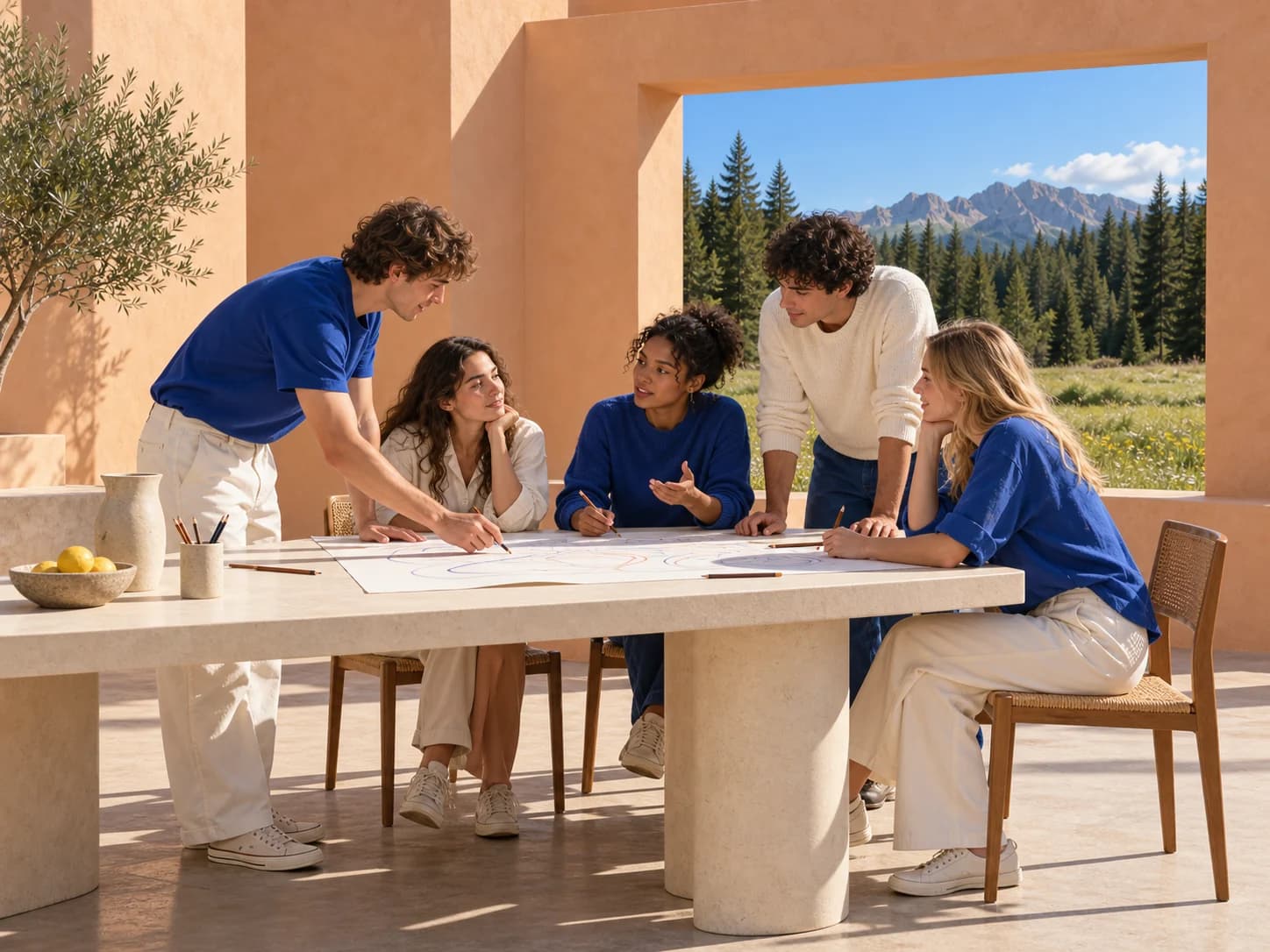
Campaign artwork
Young people spend a significant part of everyday life online for entertainment — browsing, gaming, and connecting through social media. For many, this is harmless. For others, digital habits can become difficult to control and affect sleep, relationships, wellbeing, and the ability to focus on what matters.
The World Health Organization defines gaming disorder in ICD-11 as a pattern of gaming behaviour marked by impaired control, increasing priority given to gaming, and continuation despite negative consequences. This project focuses on prevention and practical support for healthier digital habits.
Yet most prevention programmes target substance addiction. Very few address the specific challenges of screen addiction — and even fewer are designed with and for young people.
That's why we built this project.
Building a comprehensive training programme of 8 workshops for preventing screen addictions among youth, based on non-formal education methods including coaching, art-therapy, storytelling, and psychoeducation.
Empowering 225 young people (45 per country) to develop effective coping strategies to manage compulsive behaviours linked to general internet addiction, online gaming, and gambling.
Raising awareness among at least 5,000 young people about the risks of compulsive behaviours and screen addictions, encouraging them to seek information and support.
We combine five complementary methods to create a holistic learning experience:
Understanding the science behind compulsive behaviours: what happens in your brain, why certain patterns form, and what you can do about it. Led by specialists from Vrapce Psychiatric Hospital (Croatia).
Using drawing, collage, and creative expression to process emotions, explore identity, and build self-awareness. Developed by Fundacja 108 (Poland).
Narrative therapy techniques that help you reframe your relationship with technology by crafting and sharing personal stories of change. Led by CIU (France).
Goal-setting, action planning, and resilience-building techniques that give you the tools to maintain change long-term. Developed by AEVR (Romania).
A structured approach to measuring learning, behaviour change, and project quality so that the programme stays useful and responsive to young people. Led by Pangea Youth Association (Türkiye).
All methods are based on non-formal education principles: experiential, participatory, and designed to meet young people where they are.
Duration: 24 months
Programme: Erasmus+ KA220-YOU — Cooperation Partnerships in Youth
Project Reference: 2024-2-RO01-KA220-YOU-000279040
Coordinator: Asociatia Educatie Pentru Viata Reala (AEVR), Romania
Total partners: 5 organisations from 5 Erasmus+ programme countries